1. Product Overview
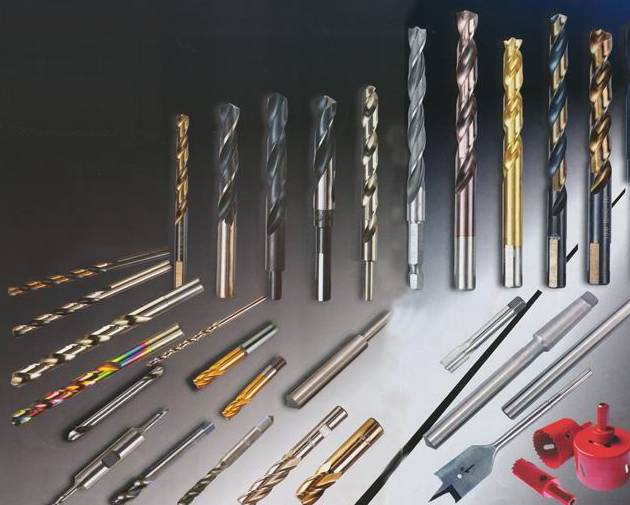
Taps are precision cutting tools used for machining internal threads, widely applied in mechanical manufacturing, automotive repair, hardware processing and other fields. As essential threading tools, taps can cut precise internal threads in pre-drilled holes to form reliable fastening connections with external thread components like bolts and screws.
2. Key Features
-
High-precision machining: Produces threads compliant with international standards (ISO, DIN, JIS, etc.)
-
Multiple material options: Made of high-speed steel (HSS), cobalt alloy steel or carbide for different processing needs
-
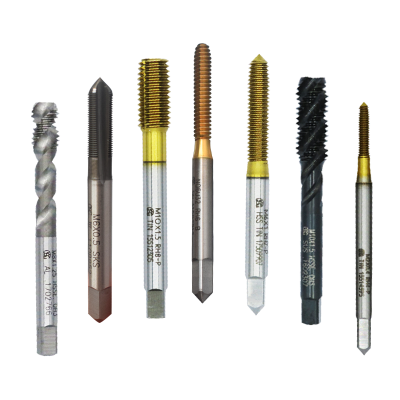
Diversified designs: Includes straight-flute, spiral-flute and other groove types for various materials
-
Surface treatments: Titanium plating, oxidation treatment, etc. to enhance wear resistance and service life
-
Comprehensive specifications: Covers metric, imperial, American and other thread standards
3. Main Types
1. By Structure
-
Straight-flute taps: Universal type for through holes
-
Spiral-flute taps: Smooth chip removal for blind holes
-
Thread-forming taps: Self-aligning for sheet materials
2. By Application
-
Hand taps: Typically used in sets (taper, second, bottoming)
-
Machine taps: For CNC machining, used individually
-
Nut taps: Long-shank design specifically for nuts
3. By Thread Type
-
Metric taps: 60° thread angle
-
Imperial taps: 55° thread angle
-
Pipe taps: For pipe connections
4. Technical Specifications
| Parameter | Typical Range |
|---|---|
| Diameter | M1-M100 |
| Pitch | 0.2-6mm |
| Overall Length | 40-300mm |
| Cutting Angle | 5°-20° |
| Material Hardness | HRC62-65 |
5. Usage Precautions
-
Proper selection: Choose appropriate tap type based on material and thread specifications
-
Pilot hole preparation: Ensure hole diameter meets standard requirements
-
Coolant application: Use suitable cutting fluid to extend tool life
-
Operation standards: Maintain tap perpendicular to workpiece to avoid deflection
-
Force control: Apply even pressure when hand tapping to prevent breakage
6. Maintenance
-
Clean after use to remove chips and oil residue
-
Regularly inspect cutting edge wear
-
Store in dry conditions avoiding impact
-
Resharpen or replace dull taps promptly
-
Organize different specifications separately
7. Troubleshooting
-
Broken tap: Extract using tap extractor or EDM
-
Rough threads: Check tap wear and adjust cutting parameters
-
Difficult tapping: Verify hole size and material hardness
-
Incorrect thread size: Confirm tap specifications
8. Purchasing Guide
-
Select material and type according to processing requirements
-
Prioritize reputable brands for machining accuracy
-
Consider matching tap wrenches and guides
-
Choose high-quality machine taps for mass production
-
Use special taps for exotic materials
As fundamental yet critical threading tools, proper tap selection and usage directly affect thread connection quality and reliability. Correct operation and maintenance not only improve efficiency but also extend tool life and reduce production costs.