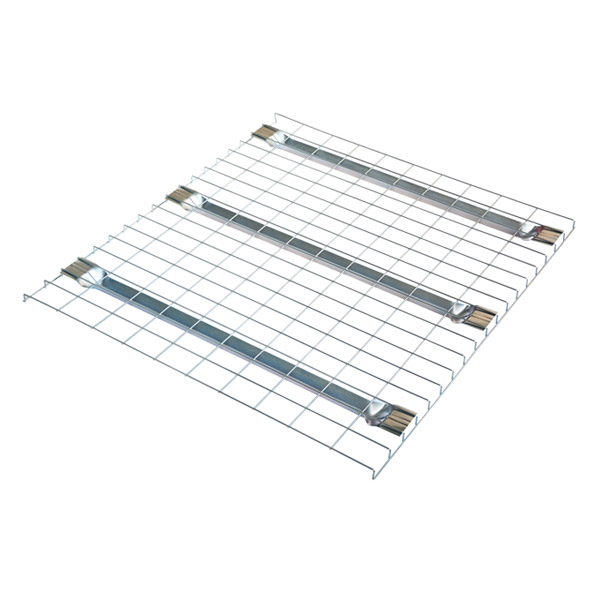
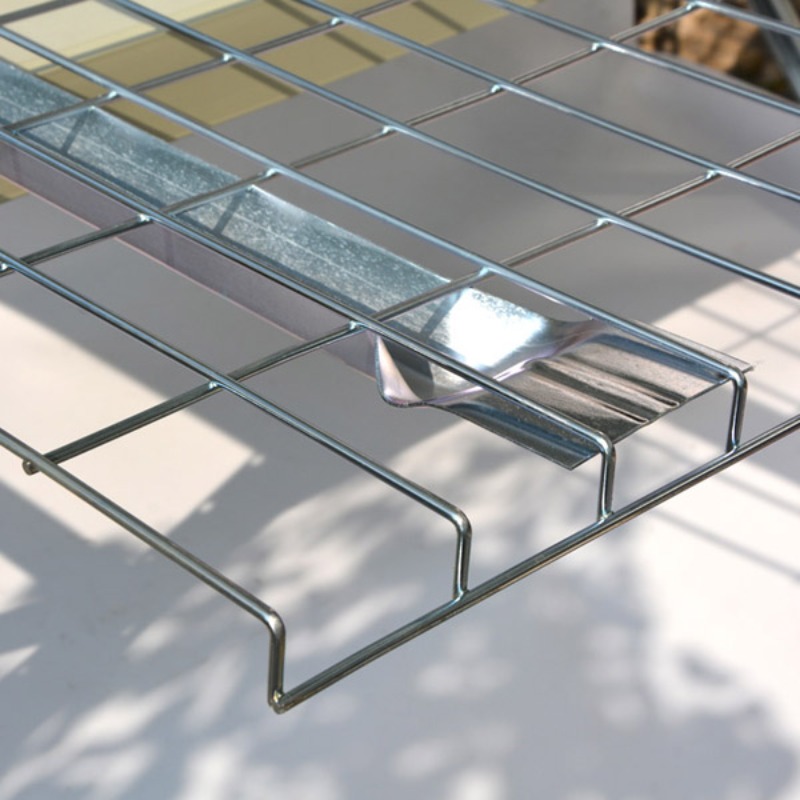
 It is made from high-quality steel through processes like welding and surface treatment, featuring a mesh structure.
1. Key Features and Advantages of Wire Mesh Decking
Compared to solid decking (like wood or steel plates), wire mesh decking offers the following significant advantages:
-
Excellent Ventilation
-
The mesh structure ensures 360° unobstructed air flow, making it ideal for storing items that require ventilation, such as agricultural products, food, and chemicals, effectively preventing mildew and odor buildup.
-
-
Dust and Dirt Resistance
-
Dust cannot accumulate on the surface; it falls directly through the mesh holes, keeping the goods and decking surface clean and reducing cleaning and maintenance efforts.
-
-
Good Light Penetration
-
Light can pass through the mesh holes. Even with multiple shelf levels, the lower levels won't be too dark, facilitating goods searching and counting, and potentially saving some lighting energy.
-
-
Fire Resistance
-
Made entirely of metal, it is non-combustible, offering far superior fire resistance compared to wooden decking and complying with strict fire safety standards.
-
-
Excellent Load-Bearing Capacity
-
Manufactured using high-strength steel and scientific welding techniques, it typically has a very strong load-bearing capacity. Specifications can range from a few hundred kilograms to several tons based on需求 (needs/requirements), meeting heavy-duty storage needs.
-
-
Lightweight yet Robust
-
Under the premise of ensuring load-bearing capacity, it is much lighter than solid steel plates of equivalent capacity, reducing the overall load on the shelving structure and making manual handling and installation easier.
-
-
High Visibility
-
The mesh structure provides good downward visibility, allowing managers to easily see the storage status of goods on lower levels, which is convenient for inventory management.
-
2. Common Types and Structures
Wire mesh decking isn't uniform; based on different usage scenarios and needs, common types mainly include:
-
Standard Wire Mesh Decking
-
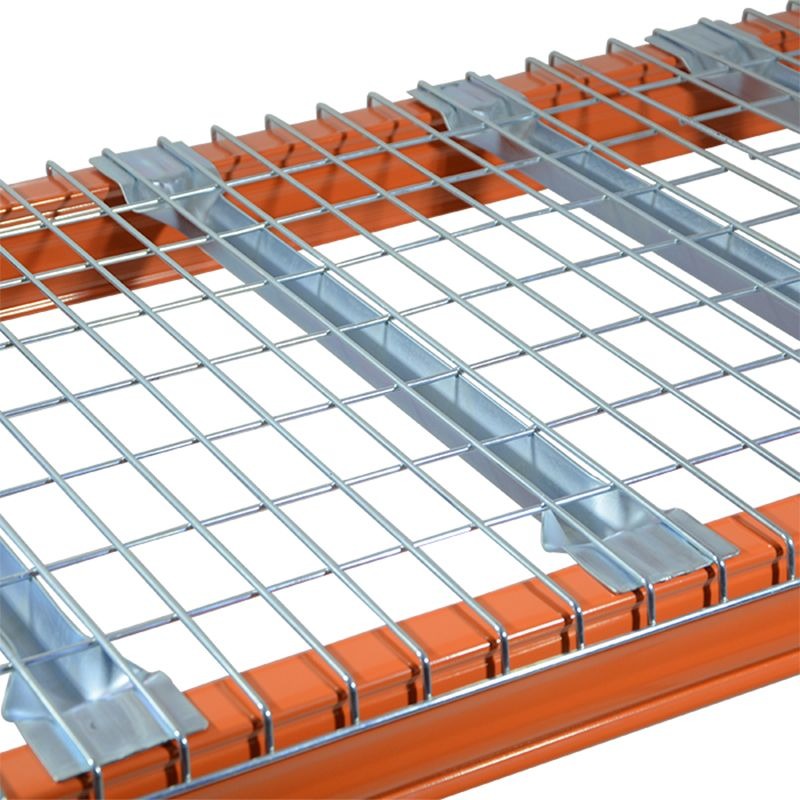
Structure: Formed by resistance welding load-bearing cross wires (thicker longitudinal wires) and connecting support wires (thinner transverse wires).
-
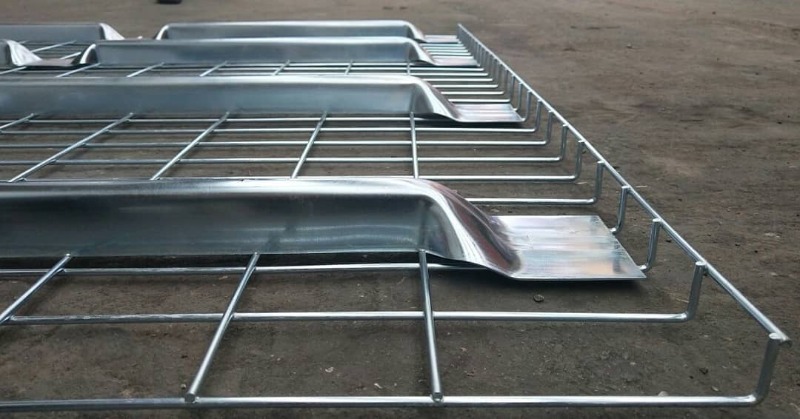
Characteristics: Sturdy structure, strong versatility, the most common type. Often reinforced with a U-shaped border around the edges and equipped with clips for直接 (directly) resting on shelf beams.
-
-
Reinforced/Heavy-Duty Wire Mesh Decking
-
Structure: Based on the cross and support wires, adds thicker reinforcing wires (usually at the bottom), forming a "#" shape or denser support structure.
-
Characteristics: Extremely strong load-bearing capacity,可达 (can reach) 2-3 tons or even higher, used for heavy-duty racks, pallet storage, etc.
-
-
Fluted Decking
-
Structure: Made by punching and stretching profiled steel sheets, forming continuous corrugated or concave-convex groove-like mesh holes.
-
Characteristics: The surface is very flat, suitable for storing small items, boxed goods, preventing small items from falling through. Also offers ventilation and anti-slip properties.
-
-
Expanded Metal Mesh Decking
-
Structure: Formed by stamping and stretching a whole steel plate to create diamond-shaped mesh holes, offering strong integrity.
-
Characteristics: Lightweight structure with high tensile strength, lower cost, but load-bearing capacity and flatness are usually inferior to welded mesh decking.
-
(Note: Image placeholder mentioned in original Chinese response is omitted here as per instruction.)
3. Surface Treatment Processes
To prevent rust, extend service life, and meet the needs of different environments, wire mesh decking usually undergoes surface treatment:
-
Powder Coating (Epoxy-Polyester Electrostatic Powder Spraying): The most common method. Forms a smooth, corrosion-resistant, scratch-resistant plastic coating. Comes in various colors (blue, gray, orange-red, etc.), aesthetically pleasing and easy to distinguish.
-
Galvanization:
-
Electro-Galvanizing: Bright white appearance, average rust prevention, mostly used for indoor dry environments.
-
Hot-Dip Galvanizing: Thicker zinc coating, extremely strong rust and corrosion resistance, suitable for harsh environments like damp, outdoor, or chemical warehouses. The surface has a zinc spangle pattern and is silvery-white.
-
-
Spray Painting: A relatively low-cost treatment method, rust prevention effect and durability are inferior to powder coating and galvanizing.
4. Main Application Scenarios
The application of wire mesh decking is very wide, covering almost all areas requiring shelving:
-
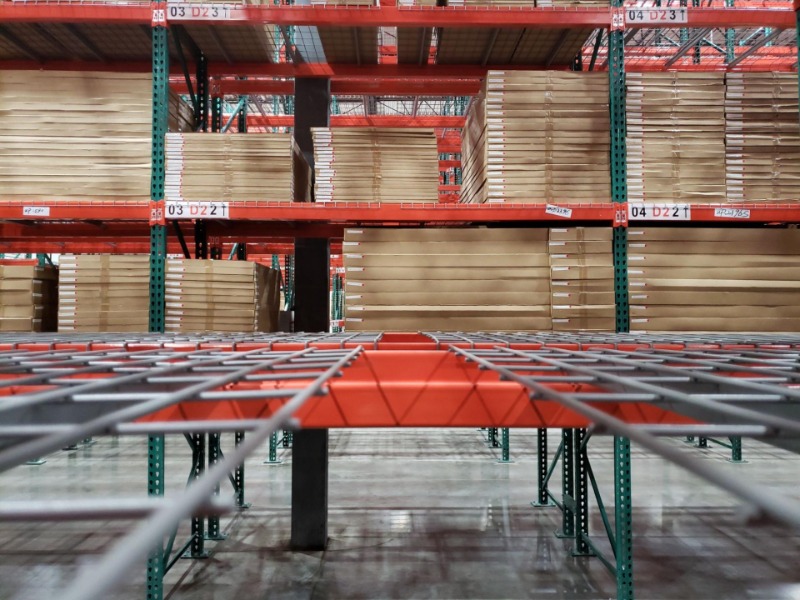
Industrial Warehousing: Heavy-duty racks, mezzanine racks, automated storage/retrieval systems (AS/RS), etc.
-
Cold Chain Logistics: Cold storage racks. Its ventilation properties prevent cold air blockage, reduce frost buildup, and improve energy efficiency.
-
Supermarkets/Retail: Display shelving, backroom storage racks. Provides ventilation保鲜 (freshness preservation), neat and tidy appearance.
-
Libraries/Archives: Bookshelves. Ventilation helps prevent moisture, beneficial for book preservation.
-
Workstation Equipment: Material racks, tool carts, workbench surfaces, etc.
5. Considerations for Purchase
When selecting wire mesh decking, consider the following points:
-
Load Requirement: This is the most important parameter. Must be chosen based on the planned weight of stored goods, with a certain safety margin.
-
Dimensions: Accurately measure the internal width and depth of the shelving bay to ensure the decking can fit properly and rest on the beams.
-
Mesh Size: Choose based on the size of stored goods. For smaller items (like parts bins), choose decking with dense mesh or fluted decking to prevent falling through.
-
Surface Treatment: Choose processes like powder coating or galvanizing based on the warehouse environment (humidity, presence of corrosives).
-
Border Design: Decking with U-shaped reinforced borders is more robust, less prone to deformation, and offers higher safety.
In summary, wire mesh decking is a comprehensive and high-performing shelving accessory. Through clever structural design, it perfectly balances load-bearing strength, ventilation, lightweight properties, and cost, making it an indispensable component in modern logistics and warehousing.